A Product Return Costs More Than the Refund
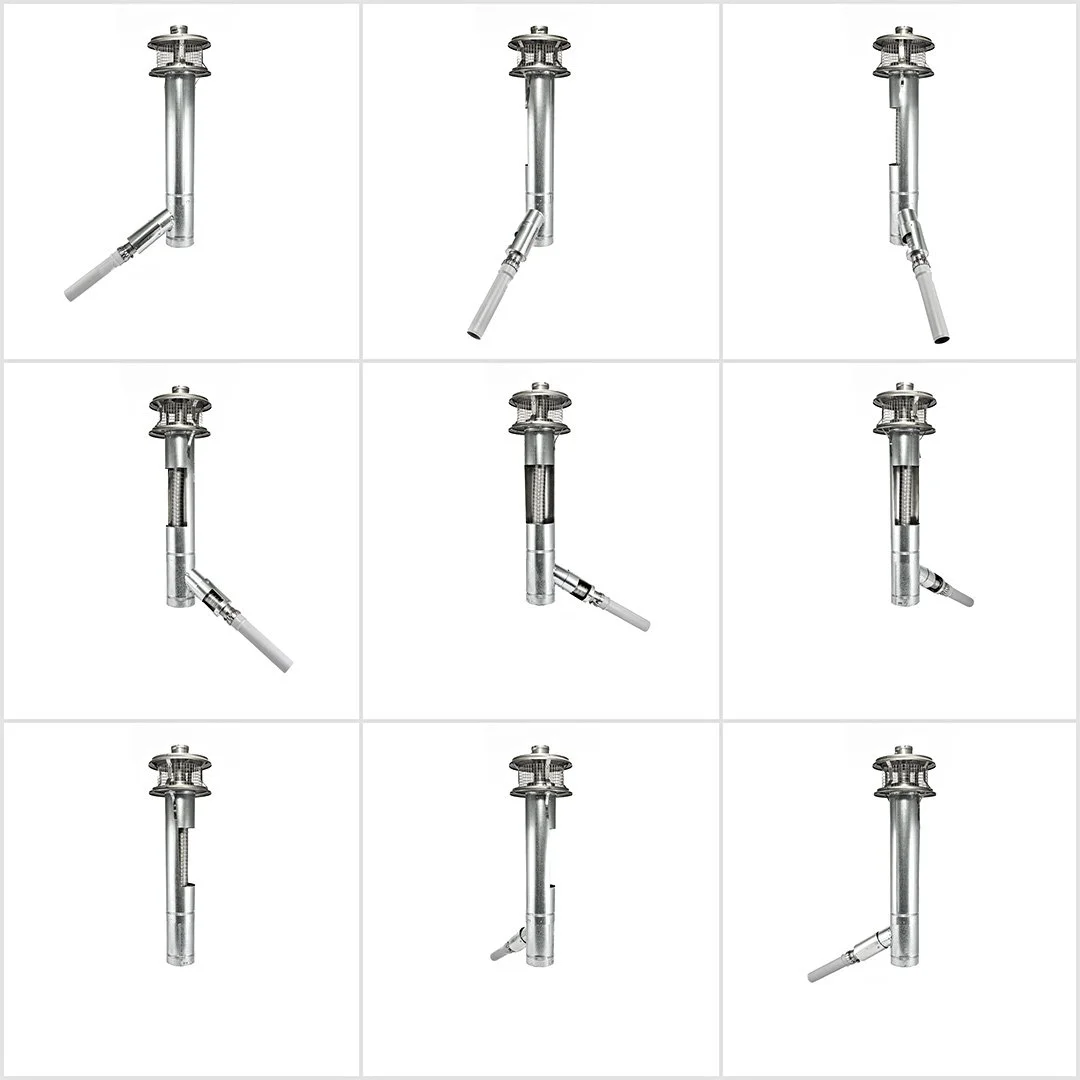
© Ryan Velting. All rights reserved.
Most manufacturers account for a product return as a transaction reversal. An item came back, a refund went out, and the ledger reflects the difference. That accounting is accurate. It is also incomplete.
For a manufacturer selling through retail or distributor channels, a return is not just a reversed transaction. It is a brand event with consequences that extend well past the refund line.
The Gap That Creates the Return
Most returns in technical and industrial product categories happen for one reason. The product did not match what the buyer expected, not because it was defective or misrepresented, but because the buyer did not have enough visual information to make the right call before purchasing.
A flat product image shows one face. For a simple commodity item in a familiar category, one face is usually enough. For a technical component where geometry, dimensions, thread profile, port orientation, or end-cap configuration affect whether the product fits the application, one face leaves too much unanswered.
The buyer makes their best call based on what they can see. When that call is wrong, the product comes back.
A 360° spin closes that gap. The full geometry is visible. The buyer can rotate through the product, examine every angle, and confirm whether it matches what their application requires before the purchase is made.
What the Data Actually Shows
I work with manufacturers whose products are sold through major retail networks. One of my clients had a direct conversation with their retail partner about this, and the numbers that came out of it were hard to ignore.
Products with 360° spin views had seen roughly a 35% reduction in returns overall. In the specific industrial and HVAC categories my client operates in, the reduction was closer to 40%.
For a retailer managing thousands of SKUs across hardware and industrial categories, that is not an incremental improvement. It is an operational one.
But the second number is the one most manufacturers never factor into their return cost analysis.
When a return did happen in these product categories, upwards of 80% of replacement purchases went to a different brand.
The Part That Does Not Show Up in the Return Data
Think about what that actually means.
A return is not a delayed sale. It is a lost sale that converts directly to a competitor's sale, at the exact moment when the customer's need is highest and their loyalty to your brand is at its lowest.
The customer still needs the product. They are standing in the aisle, scrolling through a catalog, or walking through a supply house. They are not waiting for your brand. They are looking for something that will work. And in HVAC and hardware categories, four out of five of them choose something else.
The return does not just cost the refund. It costs the replacement purchase. Depending on the customer's experience, it may cost every purchase they would have made in that category going forward.
That is the part of the return calculation that rarely appears in a manufacturer's cost analysis. The refund is easy to measure. The lost replacement sale is harder to see. But it matters, and it compounds.
What This Means in Practice
360° product photography does not eliminate returns. No product imagery does. But for technical products where geometry and specification are what the buyer is actually evaluating, it addresses returns at the source: the visual information gap that causes buyers to choose incorrectly in the first place.
When a buyer can see the complete product before committing, the probability of a mismatch decreases substantially. Fewer mismatches mean fewer returns. Fewer returns mean fewer moments where a customer is standing in front of a competitor's product deciding whether your brand deserves another chance.
For manufacturers managing large catalogs through retail or distributor networks, that math compounds across every SKU, every sale, and every customer relationship.
The return problem is expensive. A significant portion of it is preventable.