The Question Most Brands Get Wrong About Product Images
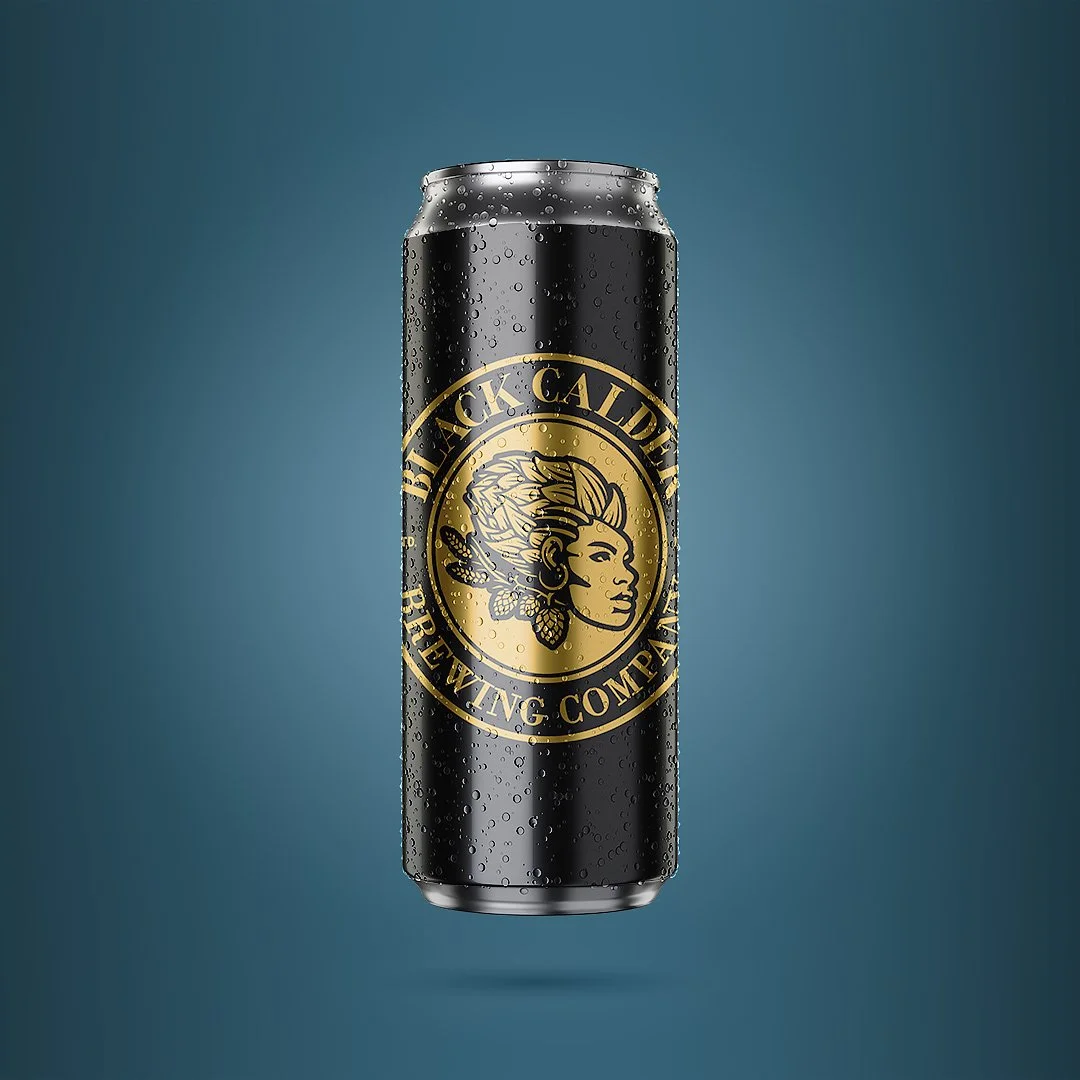
© Ryan Velting. All rights reserved.
At some point, most growing brands hit the same wall.
The products are good. The marketing is moving. But something about the imagery feels off, and it is hard to explain why. The photos do not quite feel like they belong together. Something is slightly inconsistent, even if no one can put their finger on it.
Usually, by the time someone notices, there are already fifty or a hundred images on the website.
The conversation that tends to follow is about tools. Should we have used a mockup? Should we have hired a photographer sooner? Should we have done more in-house?
Those are reasonable questions, but they are not quite the right one.
A more useful question is this:
Were these images built to work together, or were they each built to solve an immediate problem?
That distinction matters more than how any individual image was created.
Mockups Are Not the Problem
Mockups, composites, and real product photography all have a legitimate place.
A product that does not exist yet still needs visuals. Packaging that is not finalized still needs to be represented. A setting that is impractical to photograph can still be built digitally and look entirely convincing.
None of that is a problem.
The problem shows up when images are created one at a time, each one solving for the moment, without a clear picture of where they are headed.
Lighting that does not match. Angles that drift. A product that looks slightly different depending on where you find it.
Individually, those inconsistencies are easy to overlook. Collectively, they create a brand that feels inconsistent, even when the product itself is solid.
The Difference Is in How Brands Think About Images
The brands that avoid this tend to approach images differently from the start.
Not what do we need right now, but what does this image need to do, and will it still do that job six months from now?
Will it match the photography that comes later? Will it hold up on a product page, in a catalog, in a distributor listing? Does it belong to a visual system, or does it only work on its own?
Those questions change the decisions that get made early. They are also the reason some brands scale visually without friction while others spend time and money cleaning up inconsistency later.
My Approach
When I am working on product imagery, I am rarely thinking about a single image.
I am thinking about where it lives six months from now. What format it needs to hold up in. Whether it will work on a product page, in a distributor catalog, on a trade show banner, or in a social feed where someone has a fraction of a second to decide whether to stop scrolling.
Whether that means photography, a composite, or a combination of both depends on the situation. What does not change is the standard the image has to meet. Not just for the shoot, but for every context it will eventually land in.
That is the actual job.
Not how it was made. Not whether it looks good in isolation. But whether it still works over time, in formats you did not plan for, in front of an audience you are still trying to reach.