Is 360° Product Photography Worth It? A Practical Look at ROI
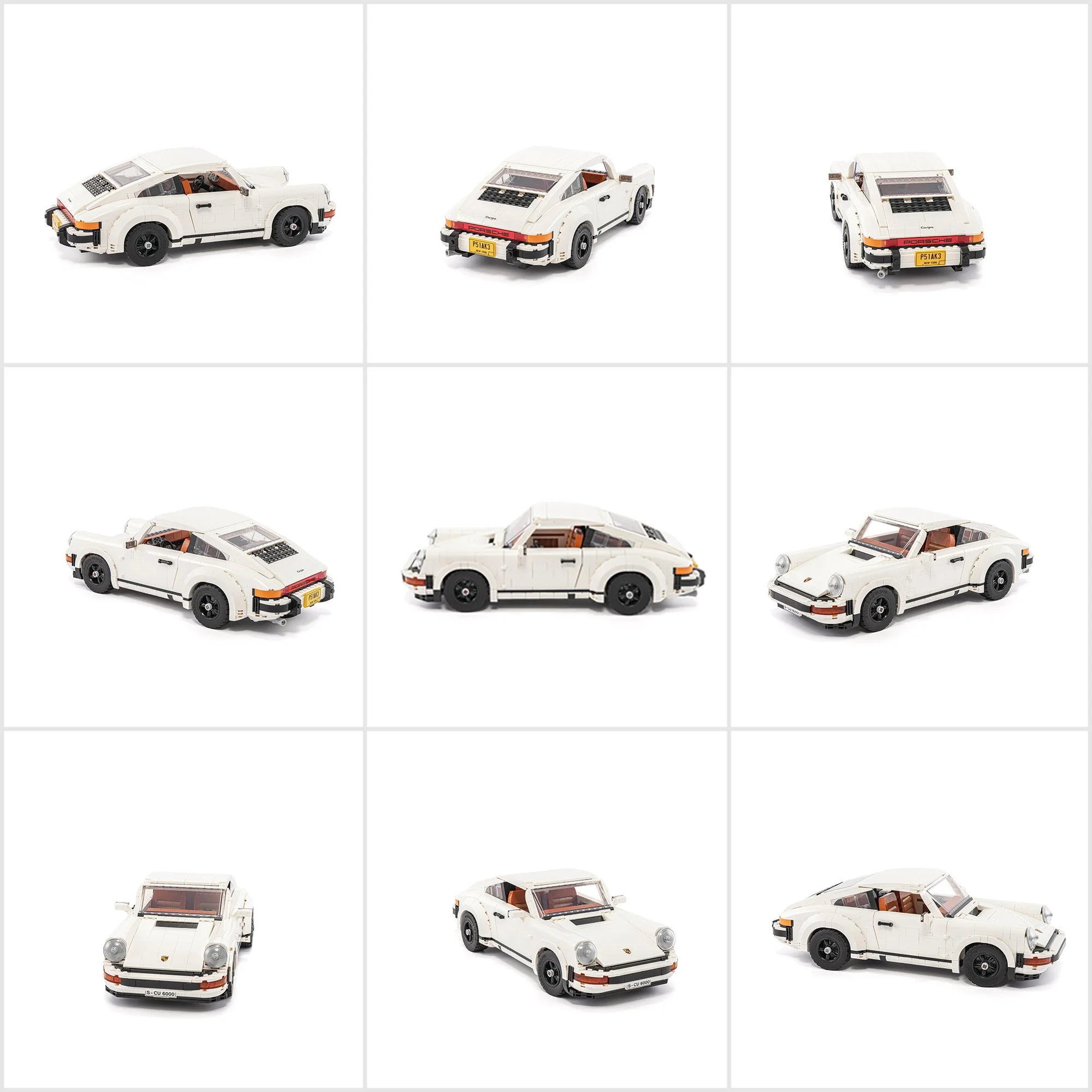
When people ask about 360° product photography, the question is almost always the same:
“Is it actually worth it?”
And the honest answer is:
Sometimes yes. Sometimes no.
This isn’t about adding something flashy to your product pages.
It’s about whether it helps your customer understand what they’re buying—faster and with more confidence.
What 360° Product Photography Actually Does
At its core, 360° product photography solves a very specific problem:
It removes uncertainty.
A single image shows one angle.
A gallery shows a few curated views.
A 360° spin shows the product as it actually exists—from every angle.
That difference matters more than most people realize.
Where It Makes the Most Sense
360° tends to earn its place when:
The product has depth, dimension, or detail that a single image can't convey
Customers need to understand how parts relate to each other — what connects where, what's included, how it assembles
The buying decision depends on fit, form, or construction
The product is higher value or involves more consideration before purchase
The HVAC project I described in the 1,700-SKU case study is a good example. Venting components, pipe fittings, and installation kits aren't products you can communicate in a single flat image. Installers and buyers need to see how the pieces actually work. A 360° spin does that in a way that a gallery of five static images simply can't.
Where It Doesn’t Add Much
Not every product needs it.
If a product is flat, simple, or easily understood in one or two views, a 360° spin probably won't move the needle. It adds production time, file volume, and complexity to your workflow — without meaningfully helping your customer understand what they're buying.
In those cases, two or three clean still images almost always do the job better.
The Real ROI (What Actually Changes)
The value of 360° photography isn’t in the feature itself—it’s in what it enables:
More confident buying decisions
Fewer product misunderstandings
Better alignment between expectation and reality
This isn’t about adding more images—it’s about giving your customer the confidence they need to make a decision.
And when that happens, you typically see:
Stronger engagement
Lower return rates
More consistent conversions
The Trade-Off
There is a cost to doing it right.
More images per product
More time in capture and processing
More structure required in file handling and delivery
At scale, that matters. At scale, that matters—especially on projects like this 1,700-SKU product photography project.
Which is why the decision shouldn’t be:
“Should we do 360°?”
It should be:
“Where does this actually make sense?”
How I Approach It
On larger projects, especially high-volume catalogs, I don’t treat 360° as a default.
I treat it as a targeted tool.
Some products need it.
Some don’t.
The goal is always the same:
Create images that help the end customer understand the product as clearly as possible.
Final Thought
360° product photography is powerful—but only when it’s used intentionally.
Used in the right places, it can remove friction and improve performance.
Used everywhere, it can add unnecessary complexity.
If you’re considering it for your catalog, the best place to start is simple:
reach out here if you want help figuring out where it actually makes sense.
Look at your products through your customer’s eyes—and decide where more clarity actually helps.